1.) Inflation expectations are perhaps the biggest determinant of direction. Because bonds have a fixed rate of return, anything that lowers that rate lowers demand. Rising inflation takes away more of the money investors get from fixed income payments, so a period of rising inflation should lower the bid for bonds.
2.) Flight to safety: whenever things get really crazy, investors flock to bonds as a safe haven bid. This simply means that bonds have a specific payment investors can continually expect to receive from their interest rates. This is attractive when the overall environment is a bit nuts.
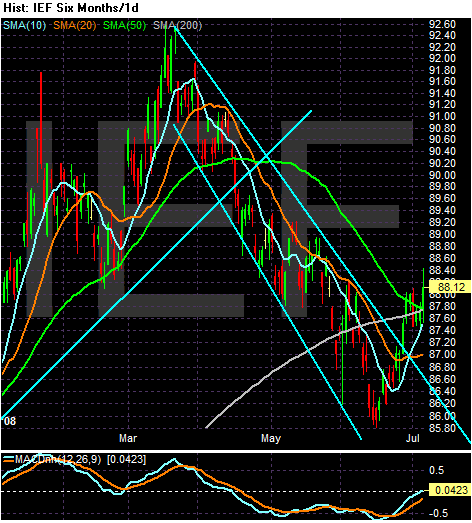
On the 7-10 year chart, notice the following:
-- Prices rose through mid-April. That was the result of the rally that started at the end of last summer. This rally was the classic "flight to safety" bid. As the financial markets dropped, investors flocked to the safety of the Treasury market.
-- Prices fell starting in mid-March. This was a reaction to the Fed's move to back-up the JP Morgan/Bear Stearns deal. This move sparked a rally in the stock market which means bonds would probably sell-off (which they did).
-- However bonds have risen since mid-June. The question is why? There are several reasons. First, it's become more and more obvious the Federal Reserve won't be raising interest rates anytime soon. This makes the current run of Treasuries more attractive because investors know that bonds with a higher coupon won't be coming down the pike. There is also the increase in overall volatility which makes the safe haven of bonds more attractive. However, what I find interesting is this is happening in a period of higher inflationary pressures. Theoretically, higher inflation should take the bid away from Treasuries. Instead we are seeing an increase in Treasury prices. I'm guessing there are two inter-related reasons for this. First, traders are expecting inflation to come down. The Fed has continually stated they see lower inflation ahead. In addition, yesterday we saw big drops in commodity prices adding fuel to the lower inflation fire. Secondly, the stock markets have been extremely volatile. This makes the fixed return of the bond markets very attractive.

